Showing posts with label landscape. Show all posts

Wednesday, September 28, 2022

Plan, Prep, Pace

I hiked among the larch trees last fall. According to the reviews on AllTrails.com, it was considered moderate, yet kid-friendly. "If a six-year-old can do it, surely I can do it," I thought.

At that point in my health journey, I knew that physical activity exhausted me, though I didn't know why. It was a hike that I tried to take slowly and gently; yet, it still left me exhausted for a full week afterwards.

One year later, with a diagnosis in hand, I hold the gift of hindsight.

For those with ME/CFS, it's not only physical exertion that sucks mitochondria dry and frazzles the nervous system. Turns out that cognitive, social, and emotional exertion add to the load as well. When I thought of all the activities surrounding the actual hike, it's no wonder I crashed.*

With a strong disposition of persistence, I considered what would need to happen for a successful hike this year. Peyto Lake was a spot I had yet to see with my own three eyes (the two on my face, and the one on my camera), and I wanted the autumn colours against the aquamarine water.


And I did not want to crash.**

Photo of Peyto Lake on a clear day, surrounded by Rocky Mountains in the background. In the foreground are mostly coniferous trees, with some shrubs already betraying the fall season with yellow leaves.
(c) Photos by Gina
  • So, instead of a day-trip, it became an overnight trip.
  • I worked from home the day before.
  • I did not take any Airbnb bookings upstairs in the days leading up to my trip, so that I could be more blasé about cleaning and tidying.
  • I did only necessary chores.
  • My friend and I agreed I would not do any of the driving.
  • And, though I didn't ask, she carried my backpack of snacks, water, and camera gear the whole way.
  • We took a slow pace with lots of breaks.
  • I monitored my heart rate the whole way; I kept my breathing measured and steady.
  • And upon returning home, I didn't rush to put everything away. (My car is still half full of gear.)

All this, on top of the regular, daily things I do to keep my system stable.

...Now, the deceptive part about crashes is that they can be delayed by 12-72 hours after the activity or event. I had 3 crashes during the summer, and two of them I wasn't expecting. It's delightful. (#sarcasm). And so, as I went to bed on Sunday night, I wondered, "did it work?" 


...It worked.


As I type this at the 72-hour mark, a smile creeps up my face. My first pacing success.

Next to actually getting my diagnosis earlier this spring, this feels like the biggest of wins. 


* A "crash" is the term in the ME/CFS community to describe overdoing it. The clinical term is post-exertional-malaise (PEM), which means a worsening of ME/CFS symptoms after any sort of exertion. For me, a crash looks like a dysfunctional 24-48 hours on the couch, with brain fog that would make London jealous.

** Not just because a crash feels extra awful, but also because crashes can contribute to overall decline in the long run. 

Monday, July 15, 2019

SOTC 333/365

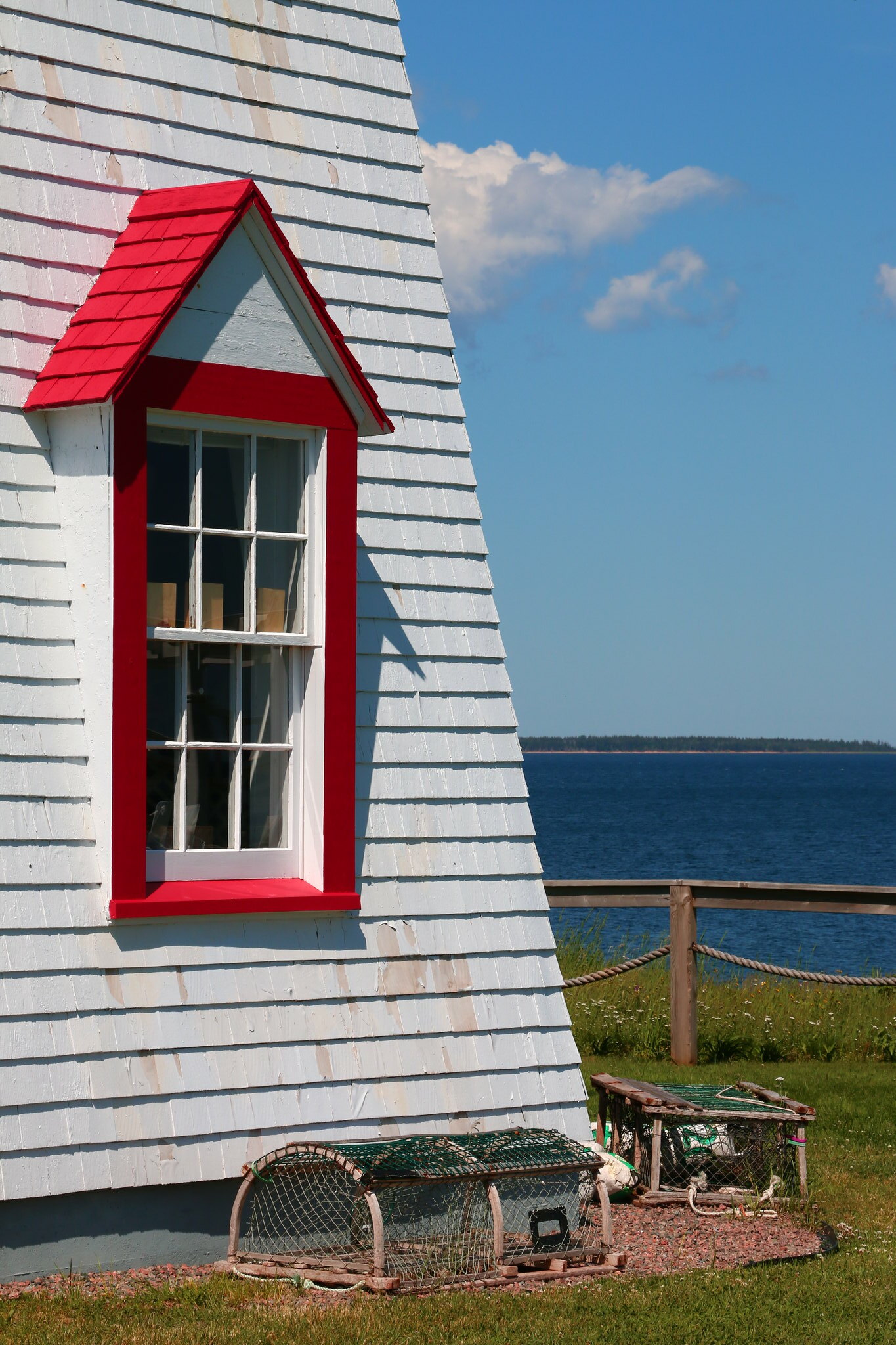
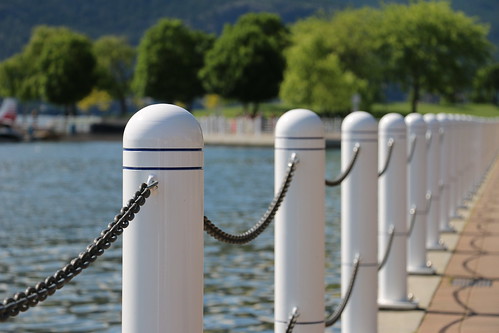
Quintessential East Coast, right here...

Quintessential East Coast (SOTC 333/365)

Sunday, July 14, 2019

Thursday, July 12, 2018

Monday, September 18, 2017

Sunday, April 23, 2017

SOTC 233/365

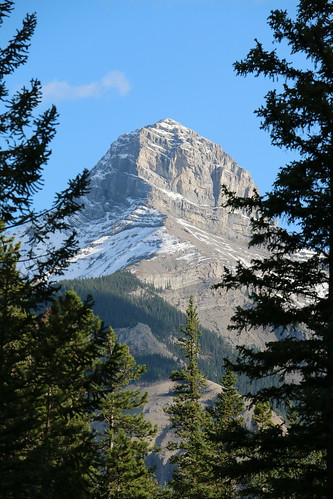
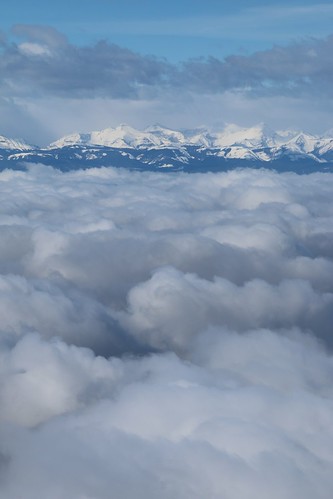
I have a love-affair with these mountains.

Eye to Eye With the Rockies (SOTC 233/365)

Sunday, November 20, 2016

SOTC 221/365

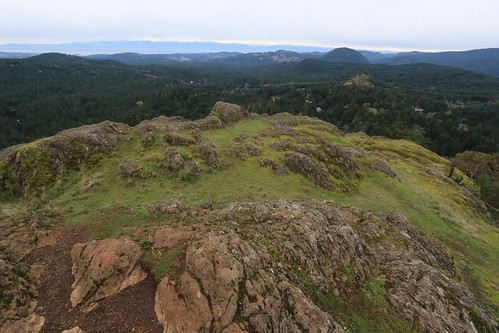
Viewing the layers atop Lone Tree Hill on Vancouver Island.

Vancouver Island's Layers (SOTC 221/365)

Saturday, August 20, 2016

SOTC 208/365

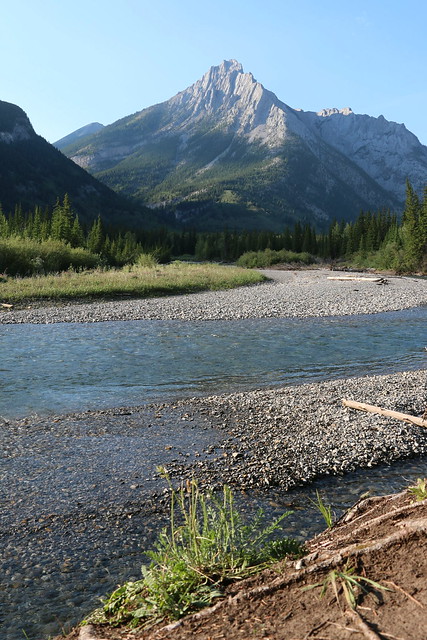
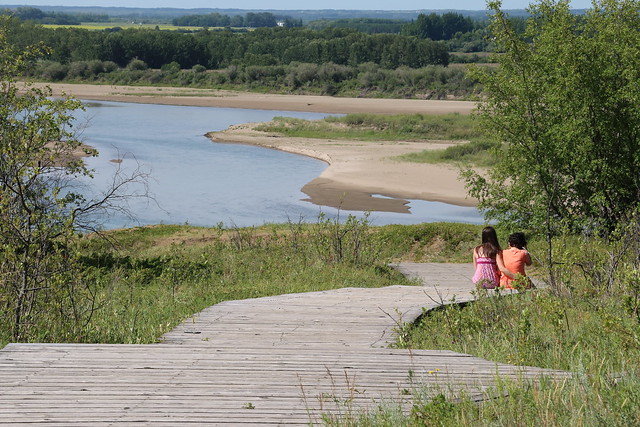
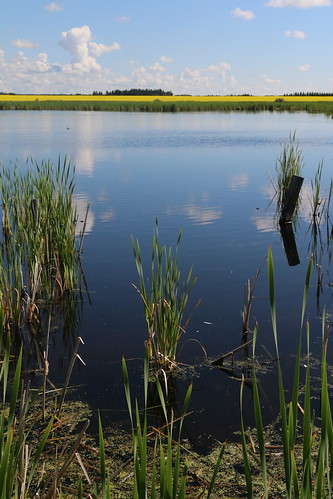
In Hastings Lake, Alberta, I seem to have found a new photographic gem.

Something Like Rorschach (SOTC 208/365)

Monday, March 7, 2016

Photography and Myers-Briggs

I first took the Myers-Briggs Type Indicator (MBTI) in my high school's health and wellness* class. It was the first time I'd taken any sort of standardized personality questionnaire--prior to that, all my personality quizzes had come from teen magazines. It was also the first time I remember being able to give names and identifiers to the awkward individual that was me.

I came out of the Myers-Briggs as an ISTJ.** Now, with two psych-heavy degrees behind me, I'm well-aware that the entirety of one's identity is not limited by just four letters. Nevertheless, in the twenty or so years since I first took the MBTI, it has continued to resonate with me in terms of understanding myself and as a starting point to understand others. And of all the different personality tests I've taken since then in my educational aspirations, the MBTI still stands out as one of the most robust.

Whenever I reflect upon or consider how I approach the world, it is the "I"--introversion--that dominates the discussion. Perhaps this is because, of all four continuums, the introversion/extroversion seems to be most widely-recognized. I tend to credit (or blame) a lot of my actions on my strong introversion--my perfect contentment in doing almost any activity solo, my quiet demeanour, the reason I'm absolutely exhausted most Friday nights.

I have read about, of course, and know, how my place along the other continuums--Sensing/Intuiting, Thinking/Feeling, Judging/Perceiving--contribute to my perspective on the world, but I don't generally stop to consider them as deeply.***

And then I stumbled upon this blog post. The author is talking about the Sensing-Intuiting continuum in terms of how each type tells a story, but then she used this image as a metaphor to summarize what she was talking about:


And I sat there going, "ohmygoodness." I could have taken those top four photos. The author's not even talking about photography in her post, but in that moment, I realized that not only does my Myers-Briggs type help explain my love of photography (a very introvert-friendly activity), but it has a role in explaining my style too!

When I got into photography, I quickly recognized that I enjoy close-up and macro work. Don't get me wrong, I love me a good landscape, but more often than not, I prefer to isolate my subject in some way and really exploit its detail. It's satisfying to take a different perspective on an everyday object. And I refer to this when I talk about my style of photography.

Yet I've never stopped to think about the factors that contribute to that style.

The Sensing personality type tends to be characterized as detail-oriented, pragmatic, and focused on the here-and-now rather than on hypothetical possibilities. Facts, figures, and experience dominate the Sensor's decision-making process. We can see the big picture, sure, but we are more interested in all the little pieces of the puzzle, because we feel it's hard to get the big picture without them.

So when I see the above image that visually portrays the difference between Sensor vs Intuitor, I think "of course this is why I see compositions the way I do--how did I never connect that?!" 

It seems so obvious, now, that my spot on the sensing/intuiting continuum might influence more than just the way I work and make decisions--that it permeates my passions as well.

Or perhaps, in true Sensor fashion, I was simply just missing the forest for the trees. ;)


* Affectionately known in Alberta as CALM--Career and Life Management.

** Since then in various educational settings, I've taken the MBTI 4-5 more times. While I will identify first as an ISTJ, I actually tend to flip-flop between ISTJ and ISFJ, because I tend to hover around the middle of the Thinking/Feeling continuum.

*** Well, except maybe the T/F continuum, because I find I feel things quite deeply, and then often think about those feelings even more deeply...

Tuesday, September 29, 2015